Table of Contents
Toggleis Sewer Line Clean Out Covered by Insurance? The Homeowner’s Definitive Guide
Introduction: The Hidden Threat Beneath Your Home
Imagine this: You flush the toilet, only to watch in horror as water and waste bubble up into your shower drains and basement floor drain. A foul odor permeates your home. This isn’t just a clogged toilet—it’s a full-scale sewer line backup, a homeowner’s nightmare that strikes without warning and carries a staggering price tag. The immediate panic is followed by a daunting question: “Who pays for this?” As you frantically call a plumber, the next thought arises: “Is my sewer line clean out covered by insurance?” 🚨
The answer is rarely simple. For most homeowners, the discovery that their standard insurance policy offers little to no protection for sewer line issues is a shocking and costly revelation. Sewer line repairs or replacements can cost anywhere from $3,000 to over $25,000, depending on the damage and excavation required. This guide cuts through the complex jargon of insurance policies to give you a clear, authoritative, and actionable understanding of your coverage. We’ll decode the fine print, highlight the critical add-ons you likely need, and provide a step-by-step blueprint for navigating a claim—ensuring you are not left financially devastated by the hidden infrastructure failing beneath your feet.
Understanding Your Home’s Sewer System: The Basics
Before diving into insurance complexities, you must understand what you’re insuring. Your home’s sewer system is a private-to-public network.
Your home’s drains (toilets, sinks, showers) all connect to a single main sewer line that exits your home. This line travels under your property (typically 3 to 6 feet deep) and connects to the municipal sewer main, usually located under the street. The “sewer line clean out” is a critical access point in this system.
What is a Sewer Line Clean Out?
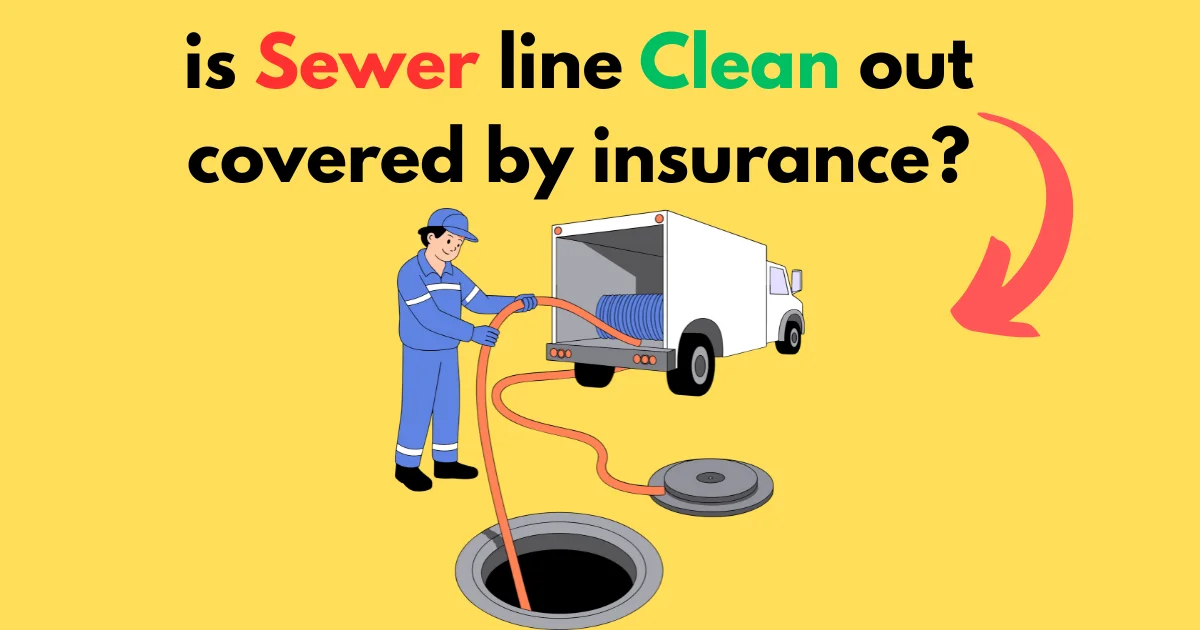
This is a capped, white or black PVC pipe (or sometimes cast iron) that protrudes a few inches from the ground, often found near the foundation of your home, in your basement, or in your yard. It provides plumbers direct access to the main sewer line to clear blockages with augers or high-pressure water jets (hydro-jetting) without having to access drains inside your home. Think of it as an emergency access port for your underground waste system.
Common Causes of Sewer Line Blockages and Damage
Knowing the cause is pivotal for your insurance claim:
- Invasive Tree Roots: The #1 culprit. Roots seek moisture and can infiltrate tiny cracks in old pipes, eventually causing complete blockages or collapse.
- Grease and Fat Buildup: Pouring grease down drains creates a concrete-like lining inside pipes, trapping other debris.
- Flushing Non-Dissolvable Items: “Flushable” wipes, feminine hygiene products, and paper towels do not disintegrate like toilet paper.
- Ground Shifting and Settlement: Changes in soil, freezing temperatures, or seismic activity can cause pipes to crack, break, or misalign.
- Aging and Corroding Pipes: Homes built before the 1980s may have cast iron or Orangeburg (bituminous fiber) pipes that degrade over time.
- Bellied Pipes: A section of the pipe sinks due to ground conditions, creating a low spot where waste collects and causes repeat blockages.
The Homeowners Insurance Primer: What’s Typically Covered?
Standard HO-3 policies (the most common for single-family homes) are designed to cover sudden and accidental damage to the dwelling and personal property from named perils. The key is understanding where the damage occurs and its cause.
Sudden vs. Gradual Damage: The Insurance Litmus Test
This is the core principle.
- Sudden & Accidental: A pipe bursts from freezing. This is typically covered.
- Gradual Damage: A tiny crack from corrosion leaks slowly for months, causing mold and rot. This is almost always excluded. Wear and tear, deterioration, and lack of maintenance are not insurable events.
Expert Insight: “Insurance is for the unexpected event, not the inevitable failure,” says a veteran claims adjuster. “If a tree root suddenly ruptures your pipe, that’s one thing. If roots have been slowly encroaching for a decade due to no maintenance, that’s a maintenance issue, not a covered peril.”
The “Named Perils” vs. “Open Perils” Policy Distinction
- Named Perils: Your policy lists exactly what’s covered (e.g., fire, windstorm, hail, theft). If it’s not on the list, it’s not covered.
- Open Perils (All-Risk): More comprehensive. It covers all causes of loss unless specifically excluded in the policy language. Sewer-related issues are often listed as exclusions here.
The Crucial Answer: Is Sewer Line Clean Out Covered by Standard Insurance?
Here is the direct answer: A standard homeowners insurance policy is highly unlikely to cover the cost of cleaning out, repairing, or replacing your sewer line if the problem originates outside your home’s foundation.
Let’s break down the scenarios:
- Scenario A: The Blockage is Inside Your Home.
If the clog is in a toilet drain or a branch line inside your home’s walls/floors, the water damage from an overflow might be covered under the “water damage” portion of your policy. However, the actual plumbing repair to clear the clog itself is often considered maintenance and may not be covered. - Scenario B: The Blockage is in the Main Sewer Line Between Your Home and the Street.
This is the most common and expensive scenario. Standard policies almost universally exclude damage to pipes and systems located off the “residence premises.” This includes the sewer line under your yard. The repair cost falls squarely on you, the homeowner. - Scenario C: Sewer Backup Causes Interior Damage.
If sewage backs up into your home through drains and causes damage to floors, drywall, or personal property, that damage is also typically excluded from a standard policy unless you have a specific add-on.
The bottom line: Relying on a standard policy for sewer line issues is a monumental financial risk.
Two Essential Insurance Endorsements You Must Know
To gain meaningful protection, you must proactively add endorsements (riders) to your policy. These are affordable additions that close critical coverage gaps.
#1: Sewer Backup Coverage (For Interior Damage)
This endorsement covers the resulting damage when sewage or water backs up into your home through sewers or drains. It does not cover repairing the actual sewer line.
- What it covers: Cleanup, sanitization, replacement of damaged flooring, drywall, furniture, and personal belongings.
- Typical Limits: $5,000, $10,000, or $25,000. Choose a limit that reflects your basement’s finished value.
- Cost: Usually $40 – $100 per year—a small price for significant protection.
Expert Insight: Why Insurers Exclude This by Default
“Sewer backup risk is highly localized and depends on municipal infrastructure age, rainfall levels, and neighborhood topography,” explains an insurance underwriter. “By making it an optional endorsement, insurers can more accurately price the risk for individual homes rather than charging all policyholders in a region for a hazard that only affects some.”
#2: Service Line Coverage (For the External Line Itself)
This is the most important endorsement for the sewer line clean out question. It covers the repair or replacement of the underground utility lines you own—sewer, water, electrical, cable—that run from your home to the municipal connection.
- What it covers: The cost to locate the problem, excavate, repair/replace the line, and restore landscaping (often up to a specified limit). It can cover damage from wear and tear, tree roots, corrosion, and even accidental third-party damage (like a contractor digging in your yard).
- Typical Limits: $10,000 to $50,000, with a deductible (often $500-$1,000).
- Cost: Remarkably affordable, typically $50 – $150 annually.
Case Study: The $15,000 Repair Saved by a $50 Endorsement
The Henderson family in Seattle experienced a complete sewer line collapse due to aging clay pipes. Multiple quotes averaged $15,000 for excavation and replacement. Their standard insurance denied the claim. Fortunately, they had added a $10,000 Service Line Coverage endorsement two years prior for just $50/year. They paid their $1,000 deductible, and the endorsement covered the remaining $9,000 up to its limit. Their out-of-pocket cost was $1,000 instead of $15,000—a testament to the endorsement’s value.
Step-by-Step: How to File a Sewer Line Insurance Claim
If disaster strikes, a calm, documented approach is vital for claim success.
Step 1: Immediate Action & Documentation
- Stop Using Water: Cease all water flow into drains to prevent further backup.
- Mitigate Damage: If safe, remove standing water and move valuables. This is your duty as a policyholder.
- Call a Licensed Plumber: Get a professional diagnosis and a detailed, written report with video camera footage. This is your key evidence.
- Document Everything: Take photos/videos of the damage inside your home, the clean out, the plumber’s work, and any affected landscaping. Keep all receipts.
Step 2: Contact Your Insurance Provider
- Report the claim immediately. Provide the facts: when it happened, what you see, and the plumber’s initial diagnosis.
- Be Precise: Say, “I have a sewer line backup causing interior damage,” or “My external sewer line has collapsed.” Ask, “Does this fall under my sewer backup or service line coverage?”
Step 3: The Insurance Adjuster’s Visit
- The adjuster will inspect the damage and review the plumber’s report.
- Provide Your Documentation: Share the plumber’s video, report, and your photos. The video evidence is crucial to prove the location and cause of the damage.
Step 4: Approval, Repair, and Reimbursement
- If approved, the insurer will provide a claim approval letter with details on covered amounts and the deductible.
- You may need to get multiple repair bids.
- Once repairs are complete, submit final invoices for reimbursement, minus your deductible.
Common Mistakes Homeowners Make (And How to Avoid Them)
- Assuming You’re Covered: The #1 mistake. Review your policy declarations page and exclusions NOW.
- Neglecting Maintenance: Ignoring slow drains or skipping cleanings gives insurers grounds to deny a claim for “neglect.”
- Not Knowing the Location of Your Clean Out: Find it before an emergency. Clear any obstructions.
- Choosing the Cheapest Policy Without Checking Endorsements: Penny-wise, pound-foolish.
- Delaying the Claim Call: Notify your insurer promptly, even while you call the plumber.
- Throwing Away Receipts: Keep every receipt related to the emergency, from the plumber to cleaning supplies.
The Pros and Cons of Relying on Insurance for Sewer Issues
Advantages:
- Financial Safety Net: Transforms a catastrophic expense into a manageable deductible.
- Access to Contractor Networks: Insurers can recommend vetted, reputable repair companies.
- Peace of Mind: Knowing you’re protected allows you to address problems immediately without fear of cost.
Disadvantages:
- Premium Increases: Filing any claim can lead to increased premiums at renewal.
- Deductibles Apply: You will always pay out-of-pocket up to your deductible amount.
- Coverage Limits: Even with endorsements, there are caps on payout amounts.
- Claim Denial Risk: If the damage is deemed “gradual” or from lack of maintenance, the claim can be denied, leaving you responsible.
Proactive Protection: How to Prevent Sewer Line Disasters
An ounce of prevention is worth tens of thousands of dollars in repairs.
Regular Maintenance Tips
- Mind What You Flush: Only human waste and toilet paper.
- Dispose of Grease Properly: Let it solidify in a can, then trash it.
- Root Management: If you have large trees near your sewer line, consider root barrier installations or regular root cutting treatments.
- Hydro-Jetting: Consider having your main line professionally hydro-jetted every 18-24 months if you have an older home or recurring slow drains.
- Video Inspections: A periodic camera inspection (every 3-5 years) can identify small issues like cracks, bellies, or root intrusions before they become emergencies.
Expert Tip: The Annual Sewer Line “Health Check”
“Each spring, locate your clean out, unscrew the cap (carefully), and slowly pour a 5-gallon bucket of water down the pipe. If it drains quickly, you’re likely in good shape. If it drains slowly or backs up, it’s time to call a plumber for an inspection before it becomes an emergency,” advises a master plumber with 30 years of experience.
What NOT to Do With Your Home’s Sewer System
- DO NOT use chemical drain cleaners as a first resort for main line clogs. They can corrode pipes and harm the environment.
- DO NOT plant new trees or large shrubs directly over or near your sewer line. Research root systems.
- DO NOT ignore recurring slow drains in multiple fixtures. This is the #1 warning sign of a main line issue.
- DO NOT attempt to excavate or repair a sewer line yourself. This is complex, potentially dangerous work that requires permits and expertise.
Frequently Asked Questions (FAQ)
Q: Does homeowners insurance cover a collapsed sewer line?
A: NO, not under a standard policy. You likely need Service Line Coverage.
Q: Will insurance cover tree root damage to my sewer line?
A: MAYBE. If you have Service Line Coverage, yes. Under a standard policy, it’s usually excluded as it’s considered a “gradual” or maintenance issue.
Q: Is a sewer line clean out considered a plumbing repair?
A: YES, but it’s a specialized, external repair that standard policies exclude.
Q: Does sewer backup coverage pay to fix the actual pipe?
A: NO. Sewer backup coverage pays for interior damage cleanup and repair. Service Line Coverage pays for the pipe itself.
Q: Am I responsible for the sewer line from my house to the street?
A: YES. In almost all municipalities, homeowners own and are responsible for the lateral sewer line from their home to the public main connection.
Q: Should I add both sewer backup and service line coverage?
A: YES, for comprehensive protection. They cover two distinct but related risks: interior damage and the pipe itself.
Conclusion: Securing Your Peace of Mind
The question, “Is sewer line clean out covered by insurance?” reveals a significant and common vulnerability in the average homeowner’s financial protection plan. As we’ve detailed, the default answer is a resounding no. The onus is on you, the homeowner, to bridge this gap through education and proactive policy enhancement.
The path to security is clear:
- Audit Your Current Policy: Read the exclusions. Look for “water backup,” “sewer backup,” “service lines,” or “underground pipes.”
- Call Your Agent: Inquire about adding both Sewer Backup Coverage and Service Line Coverage. The combined annual cost is often less than a single dinner out but can save you from financial ruin.
- Invest in Preventative Maintenance: Schedule regular inspections and cleanings. Know where your clean out is located.
- Document Your System: Keep the video inspection report from your plumber on file for future reference and potential claims.
Protecting your home isn’t just about the structure above ground; it’s about safeguarding the essential, unseen systems that make it functional. By taking these steps, you transform anxiety into assurance, knowing that if the hidden threat beneath your home ever emerges, you are prepared, protected, and financially secure.
Premium Tips from Niaz Khan, Expert
With over 15 years in property risk analysis, I’ve seen the aftermath of uncovered sewer disasters. Here are my top strategic insights:
- Bundle for Leverage: When renewing your policy, bundle your auto and home insurance and then ask for quotes on these endorsements. You have more negotiating power as a multi-policy holder.
- Go for “Replacement Cost” on Endorsements: If offered, choose “replacement cost” over “actual cash value” for service line coverage. This means they’ll pay to install a new modern pipe, not deduct for the age of the old one.
- Landscaping Allowance: Some superior service line policies include a separate, higher sub-limit for landscaping restoration (e.g., $5,000 for sod, sprinklers, hardscaping). Seek this out.
- Pre-Approved Contractor Clause: Ask if your insurer has a “pre-approved contractor” network for these repairs. Using them can sometimes mean guaranteed work and waived deductibles.
- The Municipal Angle: In rare cases, if the blockage is in the public main and can be proven to be the city’s fault, their insurance may be liable. Always have your plooter confirm the blockage location with video. If it’s past your property line, contact your public works department immediately.
Trusted References & Sources
- Insurance Information Institute (III): “What is covered by standard homeowners insurance?” & “Understanding sewer backup coverage.”
- American Society of Home Inspectors (ASHI): Technical resources on residential sewer system components and common failures.
- National Association of Insurance Commissioners (NAIC): Consumer alerts on understanding policy endorsements and exclusions.
- Contractor Quotes: Data on average sewer line repair costs (2023-2024) sourced from aggregators like HomeAdvisor and Angi.
Disclaimer ⚠️
The information provided in this article is for general educational and informational purposes only and does not constitute professional insurance, legal, or plumbing advice. Insurance policy terms, conditions, and exclusions vary significantly by provider, state, and individual policy. You must consult directly with your licensed insurance agent or carrier to review your specific coverage, endorsements, and limitations. The author and publisher are not liable for any actions taken based on the information herein. Always obtain multiple professional quotes for repairs and maintenance.

Niaz Khan is an SEO blogger, digital marketer, and content writer with 5+ years of experience in search engine optimization, content strategy, and online growth.
Focused on people-first content and Google-compliant SEO practices.